After the mould opens, the machine’s ejection movement drives the ejector plate and the connected ejection components forward. Pins, sleeves or air-assisted devices apply controlled force to the moulded component until it clears the core or cavity surface. The system then retracts fully before the mould closes. We review stroke, force distribution, component position and return clearance as one coordinated sequence.
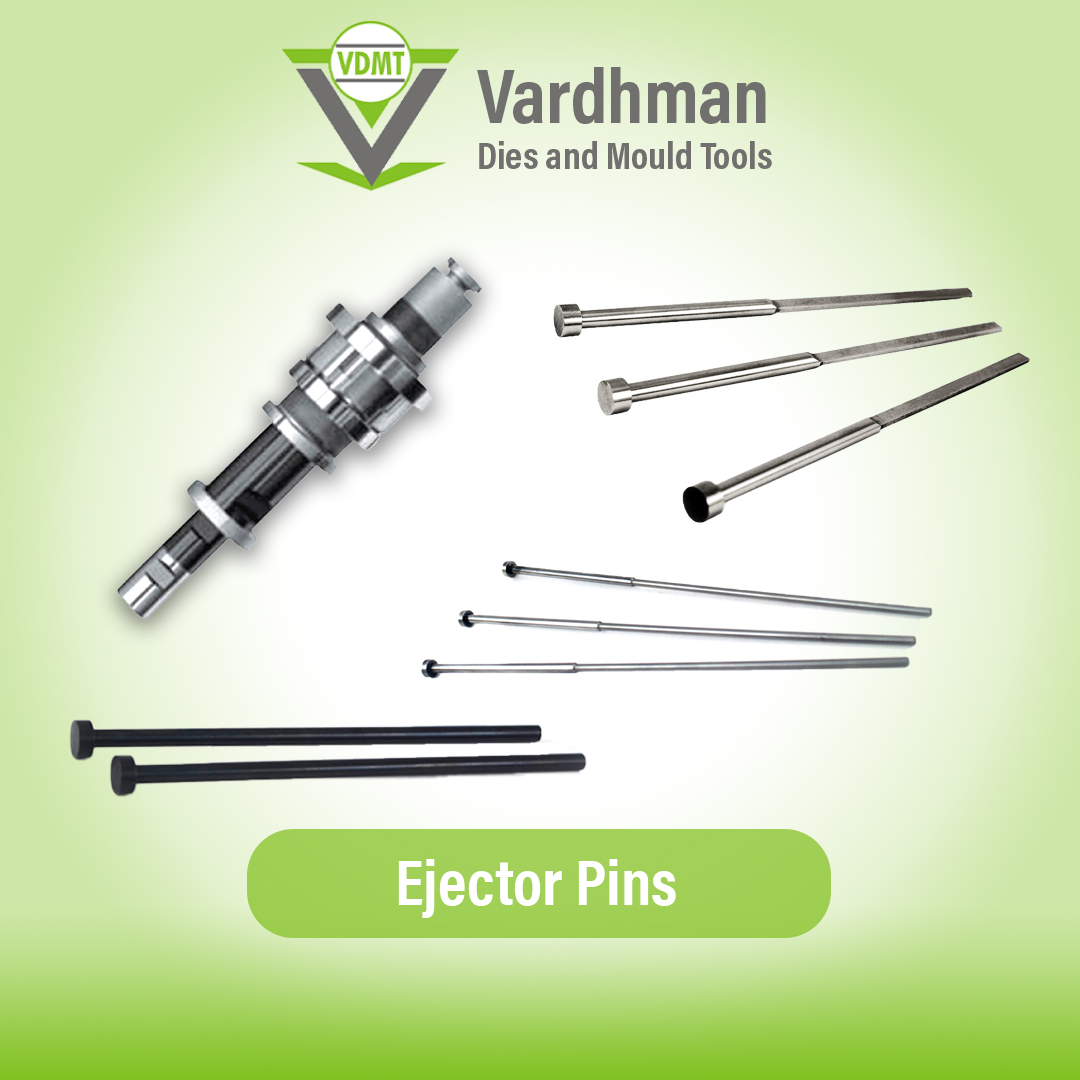
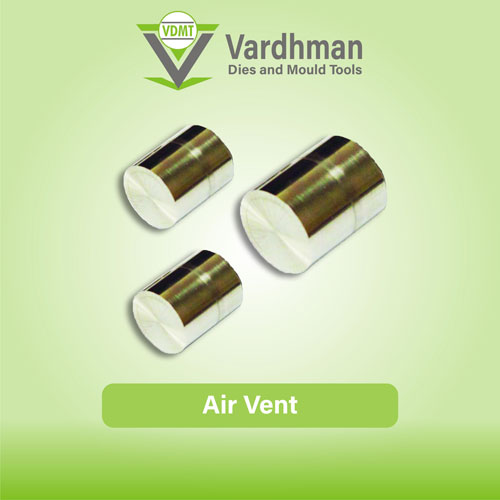
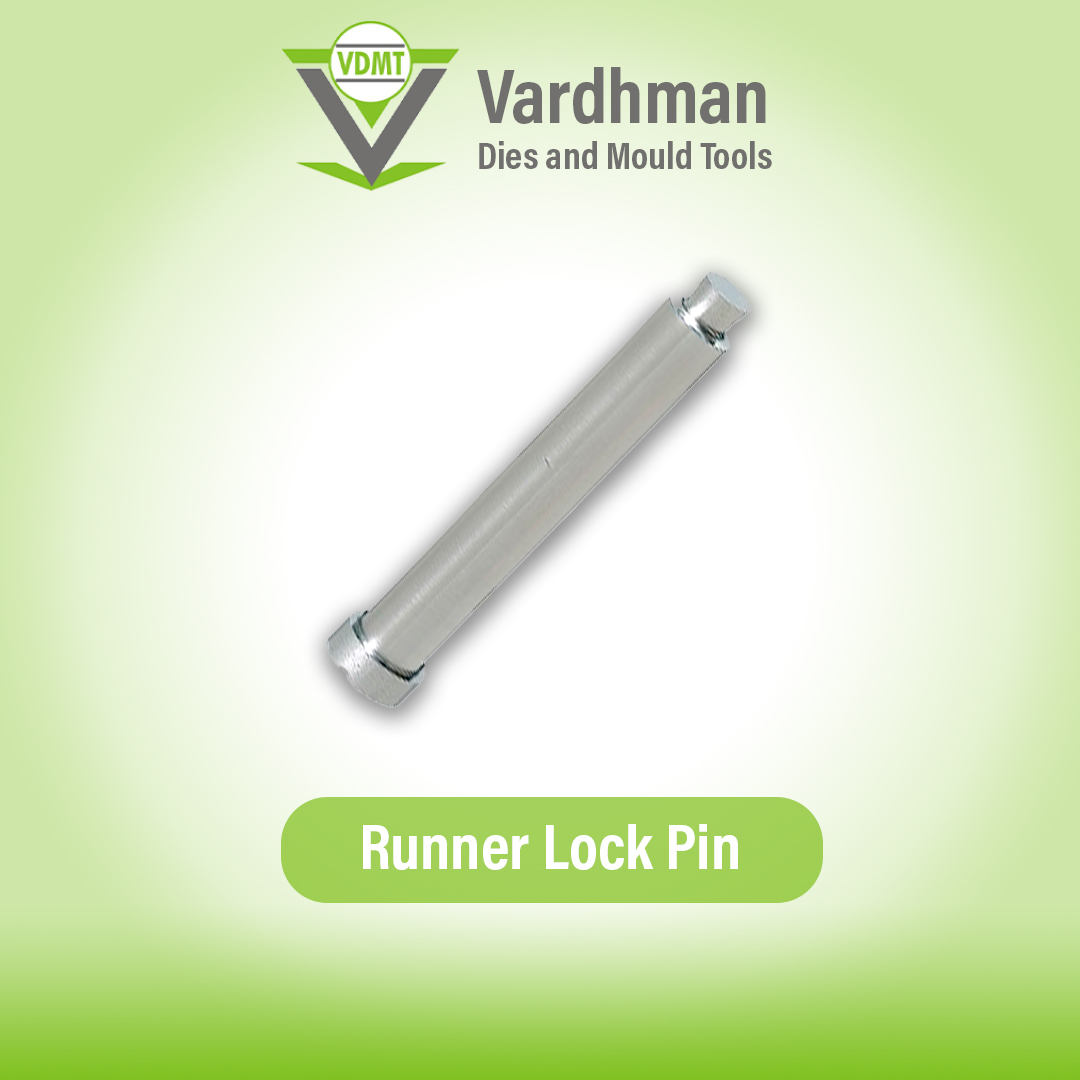
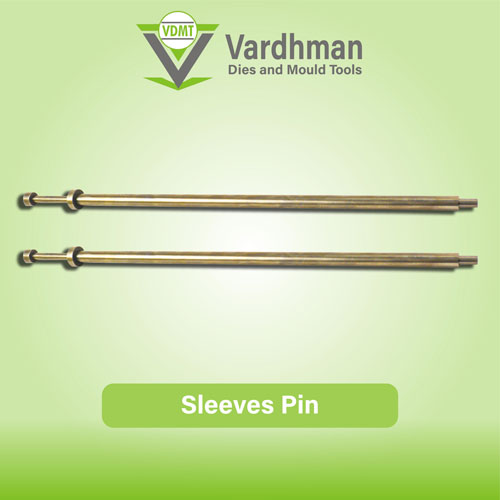
Our range includes ejector pins and their listed variants, ejector sleeves, air vents, runner lock pins, spring cores, plate accelerators, cavity support or ejector plates, sleeve pins, mould stop pins and locating rings. We supply individual replacement parts as well as multiple components for a new mould, repair job or planned maintenance requirement, subject to drawing and compatibility review.
The main ejection assembly is commonly arranged on the moving or B-side of an injection mould, where the moulded part generally remains after opening. The exact arrangement depends on the mould concept, part geometry, machine layout and release strategy. We therefore confirm the mould section, plate stack, stroke direction and available installation space before recommending any ejector component.
Ejection force must be distributed evenly to prevent distortion, stress marks or part fracture during release. Pins, sleeves or other components should be positioned near bosses, deep ribs, corners and stiff geometric features where the part resists shrinkage most strongly. Uneven force or inadequate support can cause the part to bend, warp or stick before it clears the mould.
Yes. If the moulded part has a strict cosmetic or aesthetic requirement on its visible face, ejection components are normally placed on the hidden or non-visible side. If that is not possible, the ejector pin face must be matched perfectly to the cavity profile or alternative release methods like stripper plates or air ejection should be evaluated before finalising the mould layout.
If the ejector plate, pins or sleeves remain partially forward when the mould closes, they can collide with the opposing cavity, side cores or sliding features. This can cause severe tool damage, broken pins and significant production downtime. The return movement must be guaranteed by springs, positive return pins, mechanical links or machine hydraulics before the next cycle begins.
The ejector plate is a moving assembly within the mould base that holds and retains the heads of all the ejector pins, sleeves and associated components. When the machine applies force to the plate, it advances all the secured components simultaneously to push the part off the core. It must be guided accurately and remain parallel to prevent binding during its travel.
Yes. A single injection mould often uses standard solid pins for flat areas, ejector sleeves around bosses, blade pins in thin ribs and air vents for deep vacuum pockets. Each component type must share the same stroke, travel parallel to the others and function without interference so the entire part releases smoothly and cleanly in one coordinated operation.
The stroke must be long enough to push the moulded part completely free of any core, boss or retaining feature so it can drop clear or be removed by a robot. Stroke length depends on the deepest part geometry, sprue length, material shrinkage and available machine daylight. We check the required travel and clearance before recommending pin or sleeve lengths.
As hot plastic cools inside the mould, it shrinks and grips the steel core tightly. Materials with higher shrinkage rates, such as nylon or acetal, require significantly more force to push off the core than lower-shrinkage materials like polystyrene. Ejector pin size, position, quantity and surface finish must be adequate to overcome this gripping force without bending or breaking.