
What Information Should I Send to Get an Accurate Piercing Punch Quotation?
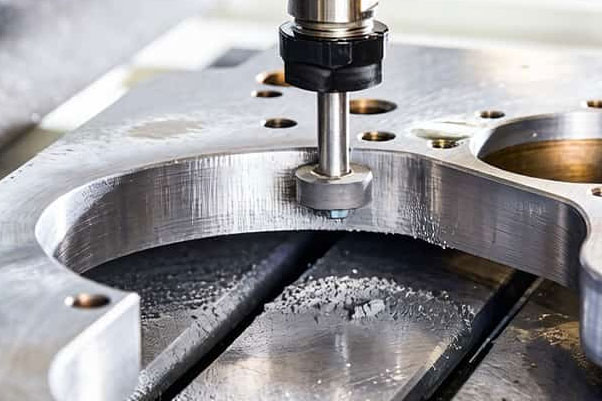
To receive an accurate piercing punch quotation, send the punch type or drawing, work material and thickness, required profile or dimensions, quantity, existing die or holder details, delivery location and any inspection-document requirement. For a replacement or drawing-based requirement, the supplier must understand how the punch fits and works within the die—not only what the […]
What Determines the Price of a Piercing Punch? 12 RFQ Cost Factors
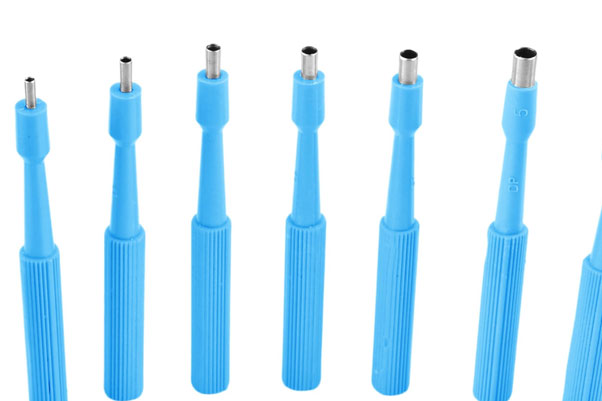
The price of a piercing punch is mainly determined by its profile, overall dimensions, material route, hardness requirement, tolerances, finish, inspection needs, quantity and the information available in the RFQ. A simple standard replacement punch and a drawing-based custom profile can require very different manufacturing, inspection and setup work. For a requirement-specific quotation, begin by […]
Standard vs Custom Piercing Punches: Which Should You Buy?
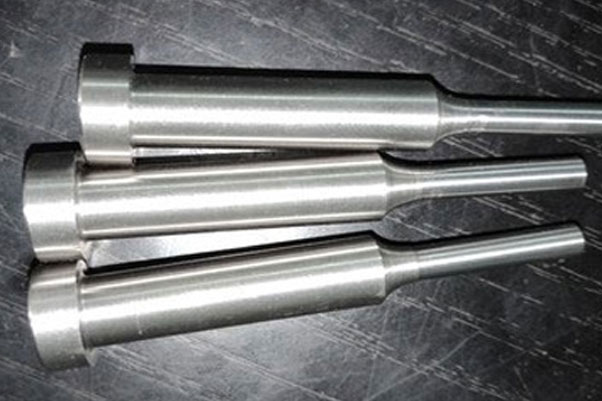
The right choice depends on whether your piercing requirement matches an established punch design or needs a profile, shank, length, mounting feature or inspection requirement specific to your tool. Standard piercing punches can suit known replacement requirements. Custom piercing punches are used when the approved drawing, die interface or operating condition requires a controlled design. […]
Piercing Punch RFQ Checklist: Dimensions, Material, Hardness, Finish and Quantity
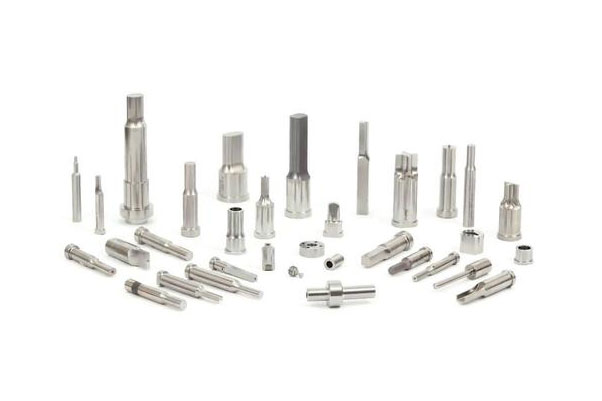
A complete piercing punch RFQ should state the cutting profile, critical dimensions and tolerances, work material and thickness, punch material or hardness requirement where specified, finish or coating requirement, quantity, matching die details, required documents and delivery location. This allows the supplier to review whether the requirement is suitable for the intended piercing punches application […]
HSS vs Carbide Piercing Punches: Which Material Is Better for Your Production Run?
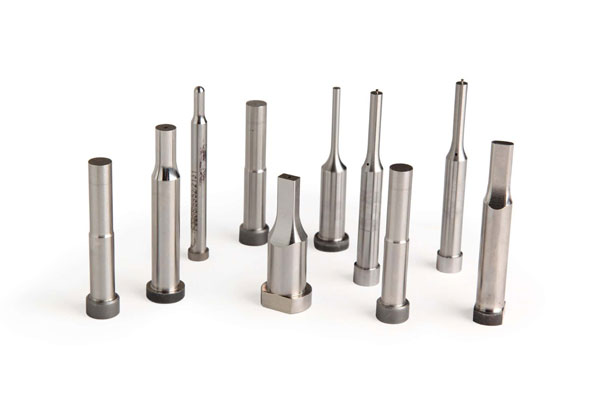
HSS and carbide piercing punches serve different operating conditions. HSS is commonly selected where toughness, practical regrinding, complex profiles or some shock risk matter. Carbide is commonly considered for suitable high-wear, well-supported and accurately aligned production runs. The better choice depends on the complete punch-and-die system, not simply on which material is harder. Review the […]
How to Select a Piercing Punch Manufacturer or Supplier
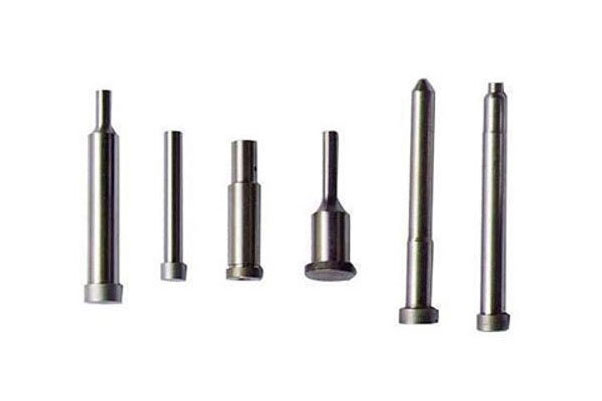
A suitable piercing punch manufacturer or supplier should be able to review your drawing, profile, dimensions, work material, die relationship, quantity and inspection need before confirming a quotation. The right source is one that clearly distinguishes a standard replacement from a custom requirement and does not make unverified promises about material, hardness, finish or delivery. […]
Can a Piercing Punch Be Manufactured from a Drawing, Sample or Existing Tool?
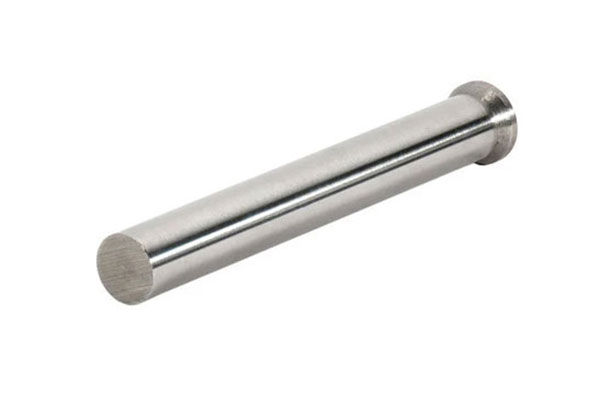
A piercing punch can be manufactured from a drawing, sample or existing tool information when the cutting profile, dimensions, mounting features and operating conditions can be identified clearly enough for review. A latest approved drawing is the strongest input. A sample can support a replacement requirement, but it may not show the original tolerances, material […]
Slide Core Units: The Essential Mould Component for Efficient Moulding
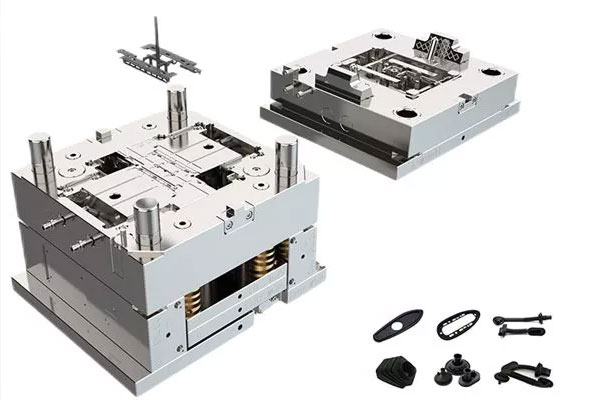
In injection moulding, part geometry decides everything. As soon as a component includes side holes, internal clips, undercuts, or re-entrant features, a straight-pull mould stops being sufficient. This is where slide core units become a functional necessity rather than an optional add-on. For tool rooms and OEM buyers, slide core units are not about design […]
The Benefits of Using Steel Dowel Pins for Accurate Mould Assembly
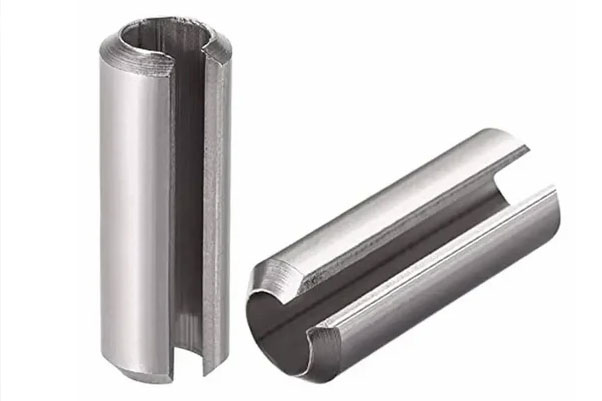
In mould and die manufacturing, accuracy is not a preference—it is a requirement. Even a small misalignment between mould components can lead to flash, uneven wear, dimensional errors, or premature tool failure. This is why experienced tool rooms rely on steel dowel pins as a fundamental alignment component in mould assembly. Steel dowel pins are […]
The Evolution of Mould Alignment Products: Innovations Over the Years
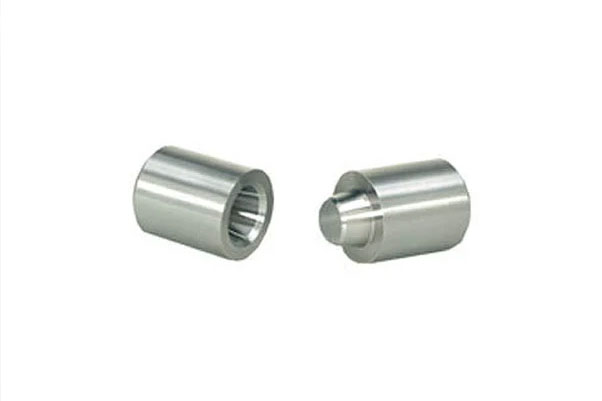
In mould making, alignment has always been the silent factor behind quality. Long before automation, sensors, or simulation software, mould makers understood one simple truth: if the mould halves do not meet perfectly, nothing else matters. Over the years, mould alignment products have evolved from basic guiding elements into precision-engineered systems designed to handle higher […]